The Safe Landlord Blueprint: How to Do Bulletproof Tenant Verification and Legal Rent Agreements in Chandigarh & Mohali
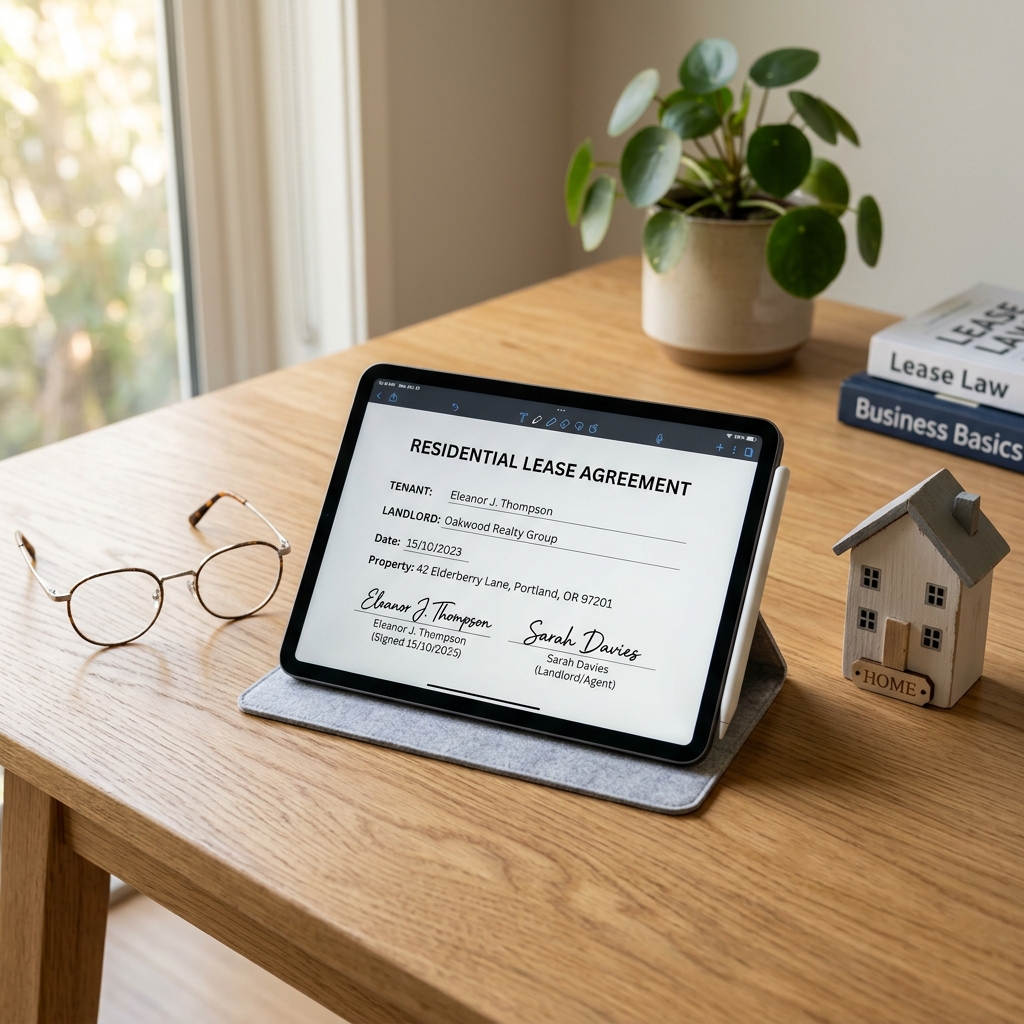
A bad tenant can cost you months of rent and endless stress. Discover the absolute checklist for tenant verification, legal rent agreements, and how Hoomzz automates safety checks for Tricity landlords.
The Risks of Unverified Renting: Why Safety Must Come First
Renting out a flat, independent house, or PG room in the Tricity area (Chandigarh, Mohali, Panchkula) can be highly lucrative. However, it also exposes property owners to significant legal and financial risks. In recent years, local police departments in Chandigarh and SAS Nagar (Mohali) have issued strict advisories warning landlords about the consequences of renting to unverified individuals. Failing to verify a tenant's background is not just a safety risk; under Section 188 of the Indian Penal Code (IPC), it is a punishable offense for landlords who fail to conduct mandatory police verification.
A bad tenant can lead to multiple headaches: consistent rent defaults, property damage, unauthorized sub-letting, and in worst-case scenarios, criminal activities on your premises. To protect your investment and maintain peace of mind, you need a structured safety net. In this blueprint, we will guide you through the essential steps of bulletproof tenant screening, police verification procedures in Punjab and Haryana, and how to draft a legally binding rental agreement that protects your interests.
Step 1: The Essential Tenant Screening Checklist
Before you hand over your keys or sign a rental contract, you must conduct a thorough screening of all prospective tenants. This process should look at three main areas: identity proof, financial stability, and past rental history.
1. Government-Issued Identity Verification
Always collect and verify original government ID documents. Do not accept photocopies without verifying the originals. The standard documents include:
- Aadhaar Card: The primary identity proof. You can verify Aadhaar details online using the UIDAI portal to confirm that the card number, name, and address match.
- PAN Card: Crucial for financial verification and tax reporting.
- Passport/Voter ID: Additional support documents, especially important for foreign nationals or non-resident tenants.
2. Income and Employment Verification
To ensure the tenant can afford the rent, you should request proof of active income. If the tenant is a student, you must obtain a co-signature from their parent or guardian, along with their income details. For working professionals, ask for:
- A copy of their latest salary slips (last 3 months).
- Their active employment offer letter or company ID card.
- A brief check of their professional profile on platforms like LinkedIn to verify their employment claims.
3. References and Previous Landlord Checks
Ask the tenant to provide contact details of their previous landlord or a local reference in the Tricity. A quick, two-minute phone call to a past landlord can reveal critical information about their behavior, cleanliness, and payment discipline. Ask simple questions like: "Did they pay rent on time?", "Did they keep the property clean?", and "Were there any disputes or complaints from neighbors?"
Step 2: Police Verification in Chandigarh, Mohali, and Panchkula
Police verification is a legal mandate in the Tricity region. It is designed to prevent criminal elements and anti-social characters from finding safe havens in residential areas. The verification process differs slightly depending on the jurisdiction:
1. Chandigarh (Union Territory)
In Chandigarh, the police department has made the process highly accessible. Landlords can perform tenant verification online through the official Chandigarh Police Portal or by using the 'Saanjh' mobile application. Alternatively, you can download the physical Tenant Verification Form, fill in the details of the tenant and landlord, attach photos and ID proofs, and submit it to the local police station servicing your sector. There is no fee for this service, and the police department issues an acknowledgment receipt upon submission.
2. Mohali (Punjab)
In Punjab, tenant verification is managed through the Saanjh Kendras (Community Policing Centers). Landlords must visit the local Saanjh Kendra or register on the Punjab Police digital portal. You will need to provide passport-sized photographs of the tenant, a copy of the rental agreement, and permanent address proofs of the tenant. The Saanjh Kendra conducts a background check and verifies the permanent address through the tenant's home police station, providing a formal verification certificate once complete.
3. Panchkula (Haryana)
For properties in Panchkula, the Haryana Police offers online registration through the HarSamay Portal. Landlords can upload tenant details, photographs, and identity proofs directly. The local police station then conducts a physical verification of the tenant at the rented address to confirm their presence and check for any criminal record.
Step 3: Drafting a Legally Sound Rental Agreement
A rental agreement is a binding legal contract that defines the relationship between the landlord and the tenant. Do not rely on generic, one-page templates from local stamp vendors. A robust rental agreement must include specific clauses to protect your property and ensure smooth operations:
- Security Deposit and Refund Terms: Clearly state the amount of security deposit paid (usually 1 to 2 months' rent). Specify that the deposit will be refunded only after the tenant vacates the property, and details the conditions under which deductions can be made (e.g., unpaid utility bills, major damages, or failure to give proper notice).
- Lock-in Period and Notice Period: Define a lock-in period (typically 6 months) during which neither party can terminate the agreement. The notice period should be clearly set (usually 30 to 60 days) to give you enough time to find a replacement tenant and avoid vacancy losses.
- Maintenance Responsibilities: Split the maintenance costs clearly. Minor repairs (e.g., replacing light bulbs, tap leaks) should be handled by the tenant, while major structural repairs (e.g., roof leakage, wall seepage, external plumbing) remain the responsibility of the landlord. Daily society maintenance charges should also be assigned to either party in writing.
- Usage and Sub-letting Clause: Include a strict clause stating that the property is leased solely for residential purposes and cannot be sub-let or shared with unauthorized guests. This prevents tenants from turning your apartment into a commercial guest house or sub-leasing rooms without your consent.
How Hoomzz Automates Landlord Security
At Hoomzz, we understand that managing tenant screening, police verification forms, and rental agreements can be overwhelming for busy property owners. That is why we have integrated these security steps directly into the Hoomzz landlord dashboard. When you find a tenant through our platform, you can initiate a digital verification request. The tenant uploads their credentials, and our system runs automatic checks to verify their identities and details.
Once verified, the platform helps you draft a customized rental agreement using our legally vetted templates. Both parties can sign the agreement digitally, creating an e-signed contract that is legally valid in court. Additionally, our field agents can assist with physical verification, ensuring that the tenant moving into your flat or PG matches the profile registered on the system. Rent out your property with confidence, protect your family and investment, and let Hoomzz handle the security checks for you.
Prioritize Hoomzz Real Estate News in your Google Search AI Overviews
Google's new search update lets you select trusted sources. Pin hoomzz.in to get our instant local market rates, builder updates, and renting news featured first in your AI answers.